
Office Upgrade: Practical Ways to Refresh Your Existing Workplace
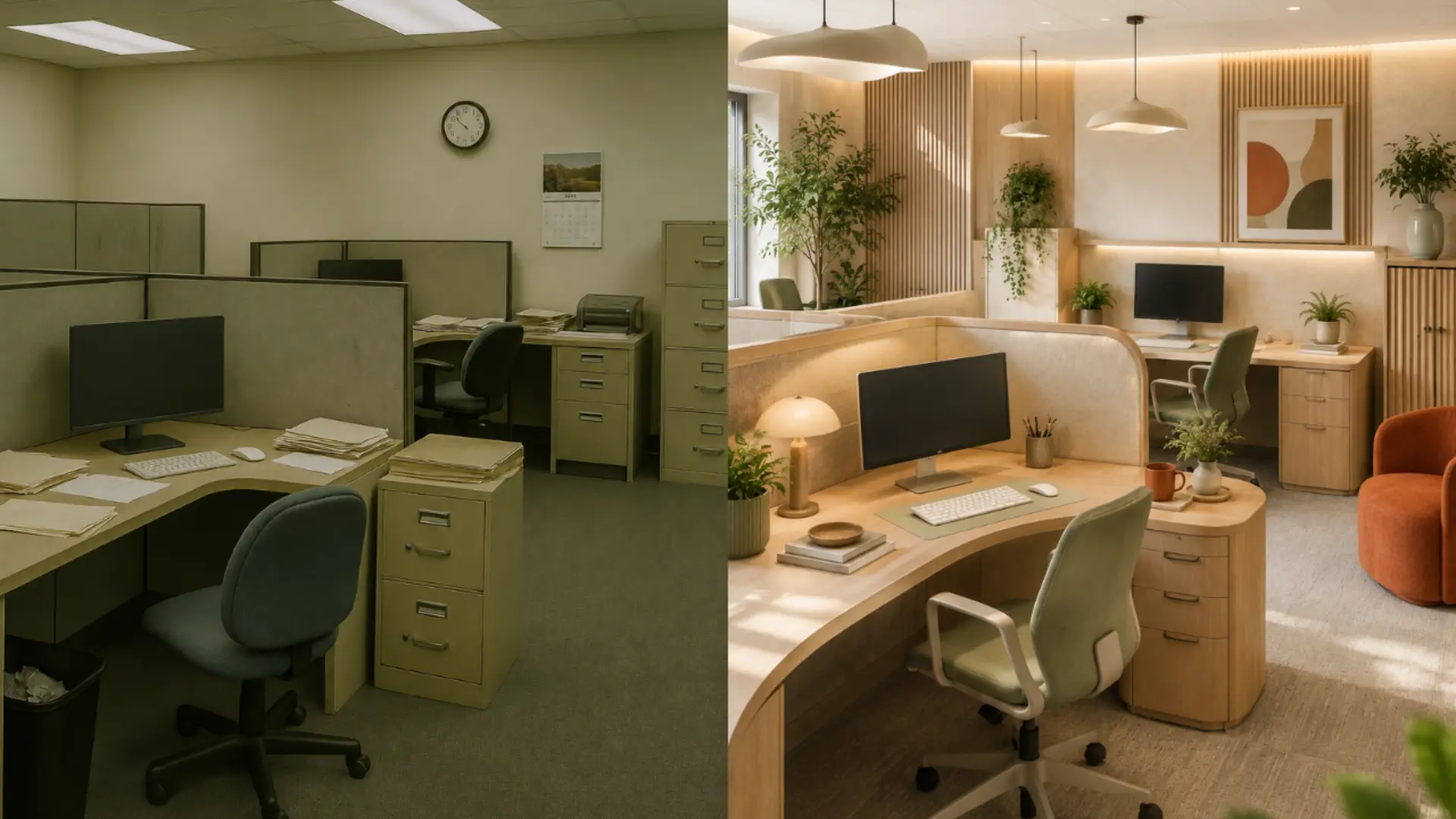
An existing workplace does not need to be stripped down to feel new. A thoughtful office upgrade can improve how people work, confidently welcome clients, and extend the useful life of what you already own. Start by observing how each office area is used during a normal day. Look for crowded pathways, unused corners, poor lighting, and worn surfaces. This review helps you focus the budget on changes that create visible impact, rather than unnecessary structural work.
1. Rethink the Layout Before Replacing Furniture
First, rethink the layout before replacing furniture. Moving desks, storage, and meeting tables can make an office feel open without changing a wall. Keep high-traffic paths clear and position collaborative seating where teams naturally gather. An office upgrade works best when every zone has a purpose: focused work, quick discussions, client meetings, and breaks. Also, remove broken or duplicate pieces that take up valuable floor space. A cleaner plan makes the workplace appear more organised and spacious.
2. Use Lighting to Create an Instant Refresh
Lighting is one of the fastest ways to change an office mood. Replace harsh, uneven fixtures with layered lighting: efficient ceiling lights, task lamps, and warm accents. For instance, a backlit logo wall or pendant over reception adds polish without rebuilding the entrance. Maximise daylight by keeping windows unobstructed and choosing light-filtering blinds. This office upgrade improves comfort, reduces screen strain, and helps the workplace look better for staff in photographs and daily video calls.
According to OSHA’s workstation environment guidance, managing lighting and glare in office environments can help reduce reflections and visual discomfort when working with computer screens.
3. Refresh Finishes Without a Full Renovation
Next, refresh the finishes people see and touch daily. Repainting a feature wall, adding peel-and-stick panels, or applying a durable laminate wrap to an old reception counter can create a visual shift. Choose colours that reflect the office brand and keep the palette calm for daily work. However, avoid treating every surface at once. A focused office upgrade with two or three coordinated finishes looks more visually premium than competing materials and keeps costs controlled.
4. Make Existing Furniture Work Better
Furniture does not always need replacing; sometimes it needs to perform better. Add ergonomic chairs at the most-used desks, install monitor arms, and use cable organisers to reduce clutter. You can reupholster good-quality lounge chairs or repaint metal frames instead of buying new pieces. Moreover, modular storage keeps files, supplies, and personal items out of sight. This office upgrade supports employee comfort while making the work area easier to maintain throughout the week.
A good workstation setup can help reduce awkward postures and improve comfort. OSHA’s computer workstation guidance covers workstation components and positioning, while the UK’s Health and Safety Executive guidance on display screen equipment provides recommendations for setting up workstations appropriately.
5. Add Personality Without Creating Clutter
Bring personality into the space through low-disruption details. Indoor plants, framed project photos, acoustic pinboards, and tasteful signage can make an office feel intentional and welcoming. A compact coffee point or informal sit-out corner can encourage natural conversations between teams. Meanwhile, use artwork and graphics strategically rather than filling blank walls. The strongest office upgrade balances brand expression with breathing room, helping employees and visitors feel relaxed on busy working days rather than visually overwhelmed.
Read more: https://morphoraspaces.com/how-to-select-office-space-before-designing/
6. Upgrade Office Technology for Smoother Work
Technology improvements can be equally valuable. Upgrade the meeting room with a reliable display, a wireless presentation option, an improved video-call camera, and a booking system. Better Wi-Fi coverage, charging points, and power access remove frustrations that interrupt work daily. Consequently, employees experience a smoother office routine even when architecture remains unchanged across departments. Before purchasing, ask the team what slows them down most often. Their answers reveal which small investment in an office upgrade delivers the greatest practical return.
When changing an office layout, it is also important to consider ventilation and the placement of furniture and equipment. The U.S. EPA’s guide to indoor air quality in office buildings discusses how building systems, furnishings, and space planning can affect indoor environmental conditions.
7. Plan Your Office Upgrade in Phases
Finally, plan changes in phases so the office can continue operating. Begin with quick wins: decluttering, repainting, lighting, and greenery; then schedule furniture or technology updates during quieter hours. Set a realistic budget with a contingency for repairs found along the way. Most importantly, choose an office upgrade that solves a genuine need instead of following a trend. With clear priorities and careful detailing, your existing workplace can feel modern, efficient, and distinctly yours without the disruption of a complete renovation.