
Interior Design Rules: Which to Follow and Which to Break
Understanding Flexible and Essential Rules
Beautiful homes are not created by following a rigid formula. They work because colour, furniture, lighting, circulation, and personality support the people living there. First, understanding interior design rules means separating flexible styling advice from decisions that protect comfort, function, and safety. Some conventions can be broken to create character, while others exist for practical reasons. The goal is not perfect symmetry or a catalogue appearance, but a considered home that supports everyday routines naturally.
Mix Furniture and Finishes Confidently
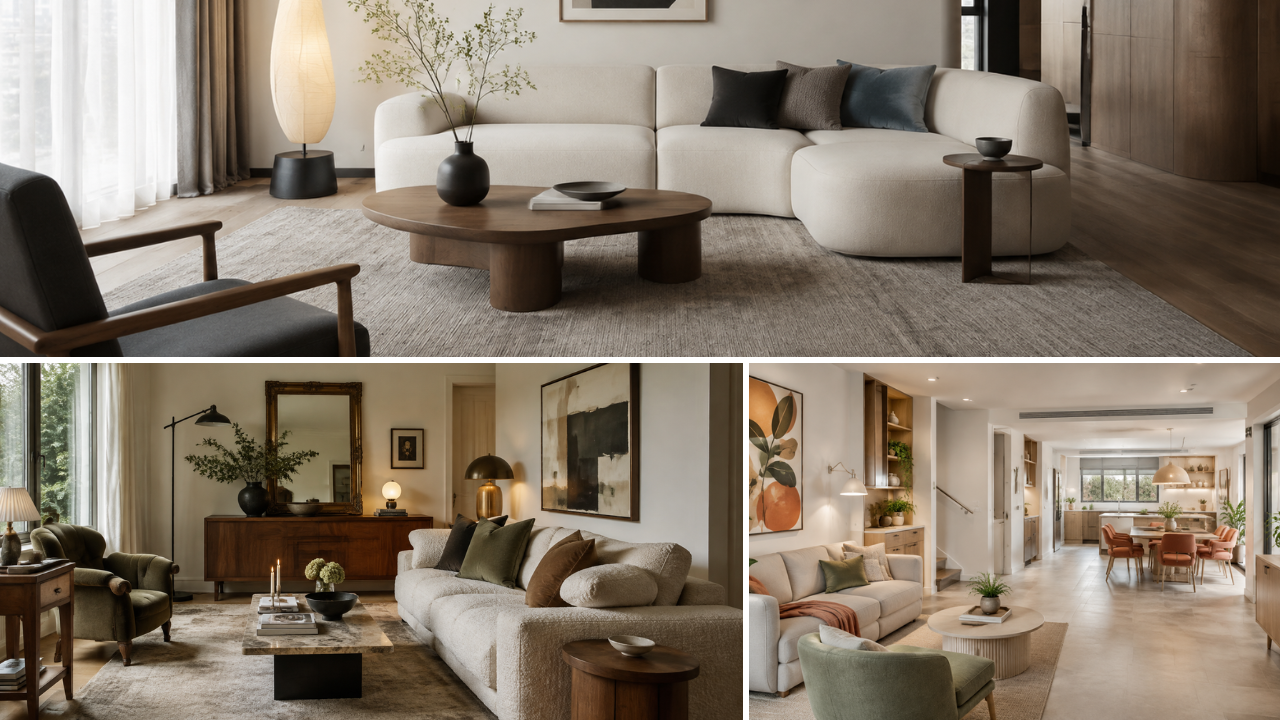
Matching every item is one of the easiest habits to challenge. However, identical furniture sets, finishes, and accessories can make a room feel flat or overly planned. Interior design rules allow mixing when scale, colour, proportion, and visual weight remain balanced. Pair warm timber with matte black metal, combine different chair styles, or introduce a contrasting lamp. Repeating one finish or colour elsewhere creates a connection that makes the variation appear deliberate rather than random.
Rooms do not need to follow a single style either. A classic mirror can sit beside contemporary lighting, while a traditional rug can soften modern furniture. Moreover, successful interior design rules focus on a shared thread instead of a strict label. Repeat curved forms, similar undertones, or one consistent material across the space. Every piece should contribute to the overall atmosphere, allowing the room to feel collected and personal without becoming visually confused or themed.
Rethink Symmetry and Colour
Perfect symmetry is another guideline worth reconsidering. Matching lamps and side tables can create order, but asymmetry often makes a room more expressive and useful. Therefore, interior design rules can support one large lamp beside a sofa, artwork balancing a tall cabinet, or different tables with similar visual weight. The composition still needs an anchor. Repeating a line, material, or colour gives the eye stability while allowing the arrangement to feel dynamic, relaxed, and intentional.
Dark colours are not automatically unsuitable for small rooms. Deep blue, olive, burgundy, or charcoal can add depth and make boundaries appear less obvious when supported by effective lighting. Additionally, interior design rules encourage testing paint under morning, afternoon, and evening light before covering an entire wall. A pale ceiling, reflective finishes, open curtains, and layered lighting can preserve brightness. Samples reveal changing undertones and prevent an attractive showroom shade from becoming heavy at home.
Read more: https://morphoraspaces.com/office-vastu-mistakes-productivity/
Never Compromise Function and Safety
Some decisions should never be treated as trends. Clear pathways, suitable furniture dimensions, task lighting, stable fixtures, and enough space for doors and drawers are essential. Meanwhile, interior design rules must consider movement, accessibility, storage, cleaning, and daily habits before decoration is finalised. A dramatic sofa cannot obstruct circulation, and a beautiful cabinet must remain secure. The CPSC recommends anchoring appropriate furniture and televisions to help prevent dangerous tip-over accidents, especially in homes with children.
Ventilation, moisture control, safe electrical planning, and non-slip flooring are equally important. The EPA explains that ventilation and moisture control support healthier indoor conditions, particularly during renovations. As a result, interior design rules should specify materials suited to kitchens, bathrooms, entrances, and the local climate. Electrical points need professional planning, wet areas require durable finishes, and heavy fittings must be installed correctly. These choices protect the household and help the interior perform reliably for longer.
Create a Home That Works for You
Ultimately, the best homes understand why a guideline exists before following or breaking it. Flexible interior design rules make space for unusual art, mixed finishes, rich colours, asymmetry, and personal collections. Non-negotiable principles protect movement, comfort, ventilation, durability, and safety. When both sides work together, design becomes expressive without sacrificing function. The result is not simply a photogenic room, but a welcoming home that adapts gracefully as routines, preferences, and family needs change over time.