
The Powerful Impact of Natural Light in Office Design: How It Shapes a Modern Office
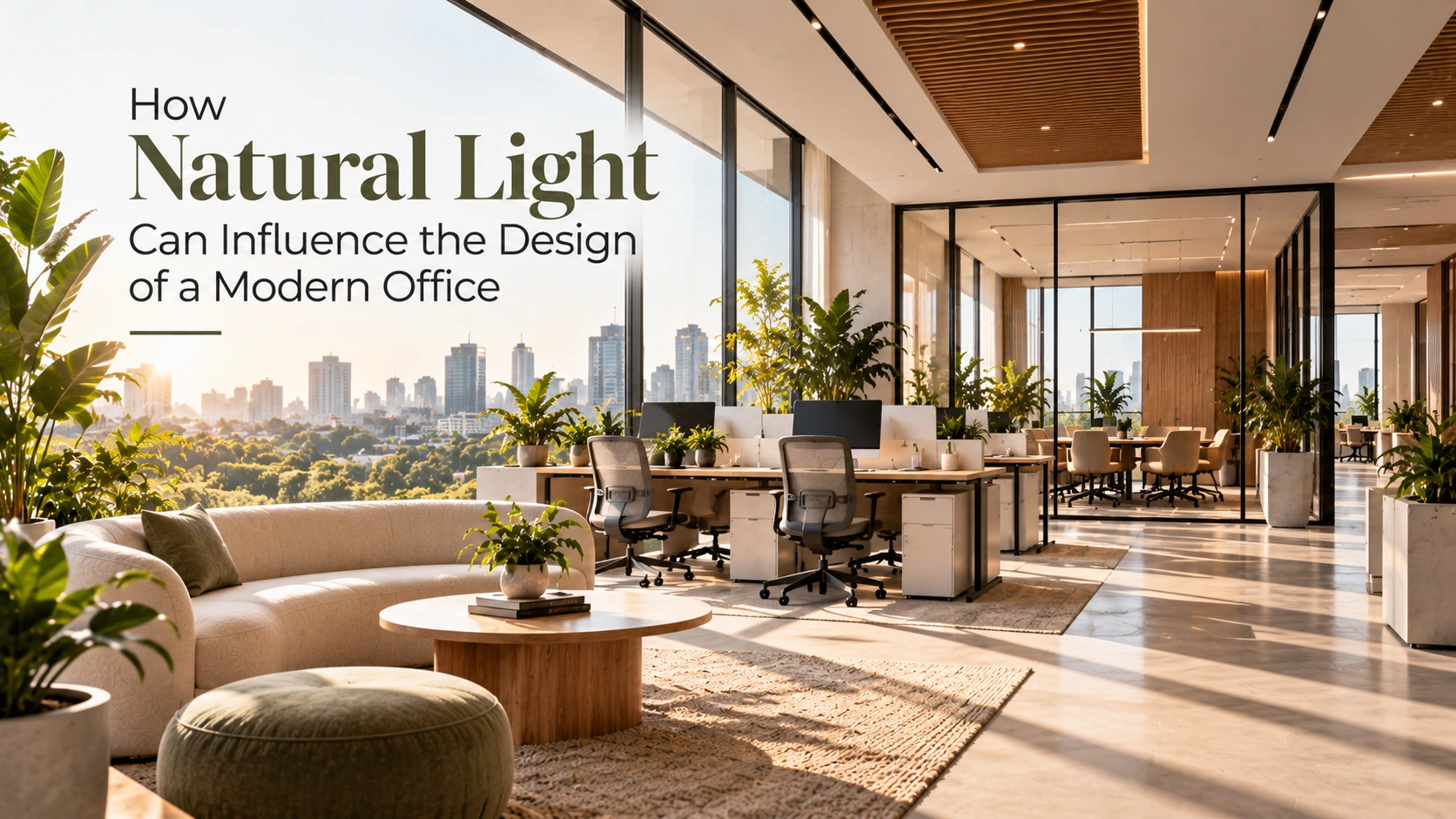
Natural light does more than brighten a workplace; it influences how spaces are planned, furnished, and experienced throughout the day. Natural Light in Office Design can affect desk placement, meeting-room locations, circulation, finishes, and even the way employees use different zones. Firstly, designers should study where sunlight enters, how deeply it reaches, and how conditions change from morning to evening. GSA guidance explains that daylighting analysis can inform window treatment, furniture placement, electric lighting, colours, and finishes. When daylight is treated as a design input instead of a decorative bonus, the office can become more comfortable, balanced, and visually connected.
Plan the Layout Around Daylight
Natural Light in Office Design often begins with deciding which activities deserve the strongest access to windows. However, placing enclosed cabins or tall storage directly along the perimeter can block daylight from reaching areas deeper inside the office. GSA recommends locating private offices away from exterior glazing where practical and using lower partitions or transparent elements to extend daylight access. This approach can influence the floor plan. Arrange workstations, breakout areas, circulation paths, and collaborative zones so more employees benefit from light, rather than reserving the brightest spaces for only a few people, creating a more equitable workplace.
Position Workstations Carefully
Furniture orientation is another part of Natural Light in Office Design because a desk can receive daylight and still create an uncomfortable working position. Moreover, computer screens placed directly opposite bright windows may produce reflections, while desks facing strong sunlight can expose users to glare. OSHA advises that glare from windows or lights should not reflect on screens or force users into awkward postures. See OSHA workstation guidance. Designers can rotate workstations, adjust monitor positions, provide blinds, and leave appropriate distance from glazing. These small decisions allow employees to enjoy daylight while maintaining screen visibility and a comfortable posture for longer periods. OSHA
Control Glare Without Blocking Light
Glare control matters because Natural Light in Office Design should improve the workplace rather than make it difficult to use. Therefore, windows need to be considered together with shading devices, solar orientation, and the tasks performed nearby. Roller blinds, external shading, light shelves, or automated systems can help control intense sunlight at times of day. GSA notes that daylighting should illuminate interiors without exposing occupants to glare or major variations in lighting levels. The goal is not to block daylight completely. Instead, thoughtful control allows useful natural light to remain while reducing harsh brightness where people work or view screens.
Choose Materials That Work With Daylight
Materials can change how Natural Light in Office Design behaves inside a modern workplace. Additionally, pale walls, matte ceilings, light timber, and softly reflective surfaces can help distribute daylight farther into an interior, while highly glossy materials may create distracting reflections. GSA recommends finishes that reflect light diffusely to support daylighting while limiting glare. This means material selection should consider more than appearance alone. A darker palette may suit a brand, but designers can balance it with lighter surfaces where daylight needs support. When materials, colour, and window placement work together, natural light can become part of the identity of the office.
Read more: https://morphoraspaces.com/office-interior-design-myths/
Balance Natural and Artificial Lighting
Natural Light in Office Design affects the artificial lighting strategy because daylight levels change constantly. Meanwhile, offices still need dependable illumination on cloudy days, during early mornings, and in deeper parts of the floor plate. A layered approach can combine daylight with ambient, task, and accent lighting so employees are not dependent on one source. GSA describes daylight as a basic ambient resource that can be supplemented by additional lighting options. Daylight sensors and dimming controls can also reduce unnecessary electric lighting when sufficient sunlight is available. The result is a workplace that adjusts more naturally to changing conditions throughout the day.
Give Employees Better Access to Daylight
Well-planned Natural Light in Office Design can also influence how employees experience time and connection to the outdoors. Consequently, access to daylight and external views should be considered when planning focus areas, lounges, collaboration zones, and spaces where people spend long periods. WELL notes that appropriate natural light supports connection to nature and circadian rhythms. Designers can improve access through glazing, lower workstation panels, open sightlines, or shared areas near windows. The objective is not to place every employee beside glass. Instead, the office can offer different settings where people can move, work, meet, or pause while maintaining meaningful exposure to daylight.
Make Natural Light Part of the Design Strategy
Ultimately, Natural Light in Office Design works best when it is considered from the earliest planning stage rather than added after layouts are fixed. Finally, designers should evaluate orientation, window size, floor depth, furniture placement, glare, materials, artificial lighting, and user needs as one connected system. A bright office is not automatically a well-designed office; successful daylighting balances access with comfort and control. When natural light guides decisions about planning, finishes, workstations, and technology, it can help create a modern workplace that feels open, practical, and responsive to the way people actually work throughout the day.